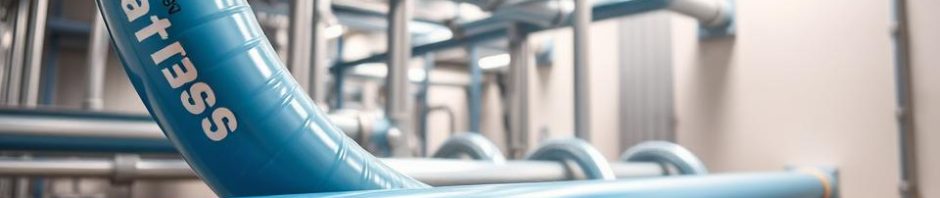
Have you heard that a failed pneumatic system can discharge energy comparable to a dynamite stick? Many plants still employ pipe networks made from dangerous substances, ignoring the risks. This article clarifies why safety needs to be paramount.
Best Prices On PVC Air Line
Despite increasing interest in certain plastics, OSHA rigidly prohibits utilizing them in above-ground settings. Over time, being exposed to oils and thermal fluctuations degrades them, resulting in catastrophic failures. Even with “approved” PSI levels, the threat of explosions is elevated.
For dependable options, Installation Parts Supply offers durable solutions like aluminium. Investing in correct materials eludes costly penalties and keeps workplaces secure. We will examine how to create a more secure system.
Critical Facts
- The administration forbids specific plastics because of explosion risks.
- Pressure capacities drop as temps vary.
- Fragility intensifies over time, raising breakage chances.
- Aluminum tubing offers a more secure substitute.
- Smart spending prevents expensive penalties and injuries.
The Dangers Of PVC Piping In Air Systems
Manufacturers clearly caution against utilizing some plastics for high-pressure uses. Different from liquid systems, compressed air contains volatile power—a burst pipe can unleash impact similar to dynamite. This renders material
choice vital for safety.
- Fragility: Freezing temperatures make materials fragile, raising shatter potential.
- Glue breakdowns: Joints lose strength when exposed to compressor oils or thermal cycling.
- Misleading ratings: Pressure capacity falls by half at 110°F—most workshops go beyond this.

OSHA notes a $110,000 fine following a facility’s piping exploded, harming workers. The “heat of compression” additionally reduces safe operating limits, a element frequently overlooked in specs.
“Above-ground use of specific plastics for pressurized air contravenes safety regulations due to explosion risks.”
Metallic options fail in a predictable way, warping instead of fragmenting. Conversely, plastic debris from explosive failures can travel more than fifty ft, lodging in structures or machinery.
Workshops encounter daily temperature fluctuations that speed up wear and tear. Over 10 years, UV exposure and chemical reactions moreover compromise integrity, transforming small drips into serious dangers.
Better Options Than PVC For Air Lines
Aluminum pipe setups outperform traditional choices in both protection and performance. Boasting significantly less leakage compared to iron pipe, they’re a prime selection for contemporary buildings. Their light construction and corrosion resistance render them ideal for extended service.
Aluminum modular systems save time—no threading needed. The supplier offers pre-assembled sections that snap together. A Midwest car factory reduced work expenses by 40% after switching to this solution.
- Copper: Ideal for sterile areas because of anti-bacterial traits. Requires soldering expertise.
- Steel Tubing: Resists corrosion in damp locations like seaside shops.
- ABS/HDPE: Chemical-resistant for labs and plants handling solvents.
“Our aluminum retrofit reduced energy waste by 15%—covering costs in 18 months.”
Torque matters. Over-tightened fittings break, while under-tightened ones drip. Follow manufacturer specs—usually 25–30 ft-lbs for aluminum connections.
For food-grade applications, certified options ensure clean air. Constantly align materials to your environment’s demands.
Selecting The Best Pipe Material For Your Requirements
Picking the right substance for your setup requires balancing price, protection, and performance. A local plant saved 12k per year by moving to sealed aluminum. Here’s how to make the right choice.
| Type | Cost (per ft) | Maintenance | Payback Period |
|---|---|---|---|
| Aluminum | $8.50 | Low | 1.5 Years |
| Iron Pipe | 5.00 USD | High | N/A |
| Copper Tube | $10.20 | Medium | 24 months |
Temperature matters. Aluminium withstands -40°F to 200°F, whereas plastics shatter in the cold. For chemical-heavy environments, steel resists corrosives.
Pro Tip: Calculate ROI via CFM loss formulas. A 10% leak in a 50 HP system wastes $3,500 yearly.
- Match pressure specs to your compressor’s output.
- Check OSHA compliance for joint checks and stress testing.
- Request a complimentary site review from the supplier.
“Our aluminum retrofit cut energy waste by fifteen percent—paying for itself in 18 months.”
DIY installations work for hobby garages, but professionals guarantee leak-free joints. Make sure to check warranty terms—certain brands protect for 10+ years.
Final Thoughts
Selecting the correct materials for your compressed air setup goes beyond cost—it concerns protection. Research indicates most breakdowns occur in aged setups, often with hazardous outcomes. Aluminum offers near-perfect uptime, rendering it a wise lasting choice.
Key takeaways:
- Avoid brittle materials that break under stress.
- Choose corrosion-resistant metals like aluminum or stainless steel.
- Illegal setups risk OSHA fines and coverage problems.
Prepared to improve? Our team provides fast estimates and limited-time discounts on starter kits. Get our free maintenance template or contact us for urgent parts.
Commit to safer piping today—your team’s safety relies on it.
Related: Pressure Washing Under Air Conditioning Units Westerville